Oilfield Accident Lawyer in Texas
Drilling and frac sites, tankers and sand trucks, pressurized equipment, gas. More than 30 years handling Eagle Ford cases.
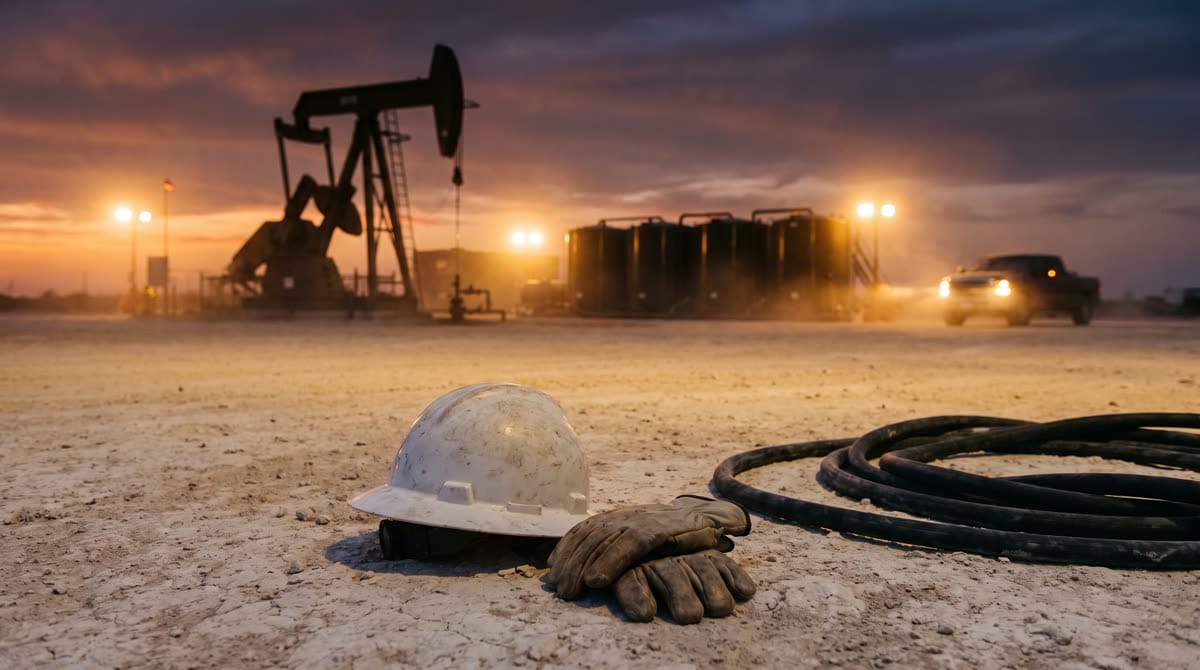
If you were hurt working in the Texas oilfield, there is almost never just one company involved: the operator, the drilling contractor, the frac company, service crews and haulers all work the same site. If the company that caused your injury isn't your employer, you have a claim separate from workers' comp, and it is usually worth much more. Without workers' comp, the lawsuit can go straight against your employer. The general deadline is 2 years, but your employer must be notified within 30 days.
An oilfield worker can spend a week on three different sites, with crews from five companies and equipment owned by none of them. When someone gets hurt, that mix is what decides the case: who was running what, who was in charge of safety that day, and who had the duty to prevent it.
The company rarely explains it that way. Usually they tell you workers' comp is all you get. Sometimes that's true. Often it isn't, and the difference can be enormous for an injury that keeps you off the job for months or for good.
Who is liable in an oilfield accident?
It depends on which company did what. These are the paths we see most in the Eagle Ford:
If you were hurt by the crew, equipment or carelessness of a company that isn't your employer, that company is liable separately. Workers' comp only protects your own employer, not everyone else on the pad.
Federal data show vehicle crashes are the leading cause of death in oil and gas work. If you were hit on the way to the site or on it, the driver and the company that dispatched them are liable.
It's common among small service companies. If your employer doesn't carry the policy, you can sue them, and the law strips the defenses they would use to blame you.
A pressure release or a connection that lets go often traces back to a defective part or an inspection that wasn't done.
Texas shields property owners in many contractor injuries. They are liable when they controlled how the work was done and knew about the danger. That's why it matters who was giving the orders on the pad.
If the death resulted from the employer's gross negligence, the spouse and children can seek exemplary damages, even when the company carries workers' comp.
What they will tell you
In oilfield cases the arguments come from the company as much as from the insurer:
That's only true against your own employer. The other companies working the site have no such protection and are liable for what they caused.
Contracts between companies, the MSAs, divide who pays whom. They normally don't take away your right to file for your injury. They need to be read, but don't take them as a no.
Against a third party you recover as long as your share of fault doesn't exceed 50%. And if your employer has no workers' comp, it can't use that argument against you.
What the paycheck says doesn't settle it. What matters is who controlled your work, your hours and your equipment. Many workers paid as contractors have the same rights as an employee.
The company writes the report and it protects the company. Read it before signing, correct what didn't happen that way, and ask for a copy.
The evidence that decides these cases
A site changes within weeks: equipment moves, crews rotate, the pad gets cleaned up. This is what has to be secured:
Before each task a job safety analysis (JSA) is filled out and the safety meeting is signed. They show who was there, which hazards were known and who was responsible.
In an H2S exposure, monitor readings and the alarm log show how much gas was present and whether someone ignored it.
Which equipment was rigged up, which company owned each unit and how everything was left. Within days it looks different.
Serious injuries are reported to OSHA. That file and the internal report can be requested, even if the company won't hand them over.
Commercial trucks store speed, braking and hours of service. Dispatch records show whether the driver was coming off an overly long shift.
Coworkers move to other sites and other jobs. Who was there, who they worked for and who was in charge that day is gathered now.
What to do after an oilfield accident
Medical care first. If you're in the hospital, a family member can do almost all of this:
- 1Get medical care and say it was a work accident on an oilfield site.
- 2Notify your employer in writing within the first 30 days, even if they already know.
- 3Write down or photograph the name of every company on the site, the unit numbers and the USDOT number if a truck was involved.
- 4Ask for a copy of the incident report and don't sign one that doesn't say what happened.
- 5Get the names of your coworkers and the safety supervisor before they rotate out.
- 6Don't give recorded statements to any insurer or accept a settlement without someone reviewing it.
- 7Keep your protective gear, your clothing and any part involved.
- 8Talk to a lawyer early: the letter to preserve evidence has to arrive before the site is rigged down.
What can be claimed
Against a third party or an employer without workers' comp, the claim covers much more than workers' comp does. Every case is different, but generally it can include:
- Past and future medical expenses, including surgeries and rehabilitation
- Lost wages, including the overtime you normally worked
- Loss of the ability to return to heavy work
- Physical pain and suffering
- Burns, scarring and disfigurement
- Physical impairment and mental anguish
- In a death: the support the family lost and their grief
How long do I have?
For an injury lawsuit in Texas you generally have 2 years from the accident. If there is workers' comp, your employer must be notified within 30 days and the claim filed within one year.
But in the oilfield the evidence goes first: sites are rigged down, crews move and company records are lost within weeks. The sooner the preservation letter goes out, the more is saved.
Why people call us for these cases
Operator, drilling, frac, service, hauling. Finding which company caused the injury is what changes the value of the case.
Carrizo Springs, Cotulla, Pearsall, Crystal City or the hospital in San Antonio. You don't have to drive to Eagle Pass.
No health insurance, or workers' comp denying treatment? We connect you with doctors who treat you now and get paid at the end of your case.
Nothing out of your pocket. We only get paid if we win your case.
Your case is handled in your language, by the people actually handling it.
In Texas any worker injured by another's negligence can file, and what you tell us is protected.
Frequently asked questions
My employer has workers' comp. Can I still sue anyone?+
Usually not your employer, but yes the other companies working the site, if they caused your injury. That third-party claim is separate from workers' comp.
I was paid as a contractor. Do I have rights?+
Probably. What matters is who controlled your work, not how you were paid. It's worth reviewing before you write it off.
I was hurt in the company truck on the way to the site. Does that count?+
Yes. If the driver caused the crash, there may be a claim against the driver and the company, on top of what you're owed for a work accident.
I was exposed to gas on the site. What should I do?+
Get care right away and say it was a gas exposure. Then the gas monitor readings need to be secured, and you need to know which company controlled the well or the tank.
My family member died in an oilfield accident. Can we file?+
Yes. The spouse, children and parents can file against those responsible. Even if the employer has workers' comp, gross negligence lets the family seek exemplary damages.
What does it cost to have my case reviewed?+
Nothing. The consultation is free and confidential, and we only get paid if we win.
Hurt in the oilfield? Let's talk today.
Free, confidential consultation. No fee unless we win. Sites are rigged down within weeks; the sooner you call, the more evidence we can save.
We cover the Eagle Ford from Eagle Pass: Dimmit, Zavala, La Salle, Frio and Webb counties and their work roads. These are the towns in the area where we handle cases:
Guides that may help you
This page is for informational purposes only and does not constitute legal advice. Every case is different; past results do not guarantee future outcomes. Reading this content does not create an attorney-client relationship.