Burn Injury Lawyer in Texas
Apartment fires, oilfield explosions, workplace chemicals, defective appliances. More than 30 years making the responsible party pay for the full treatment — not just the first one.
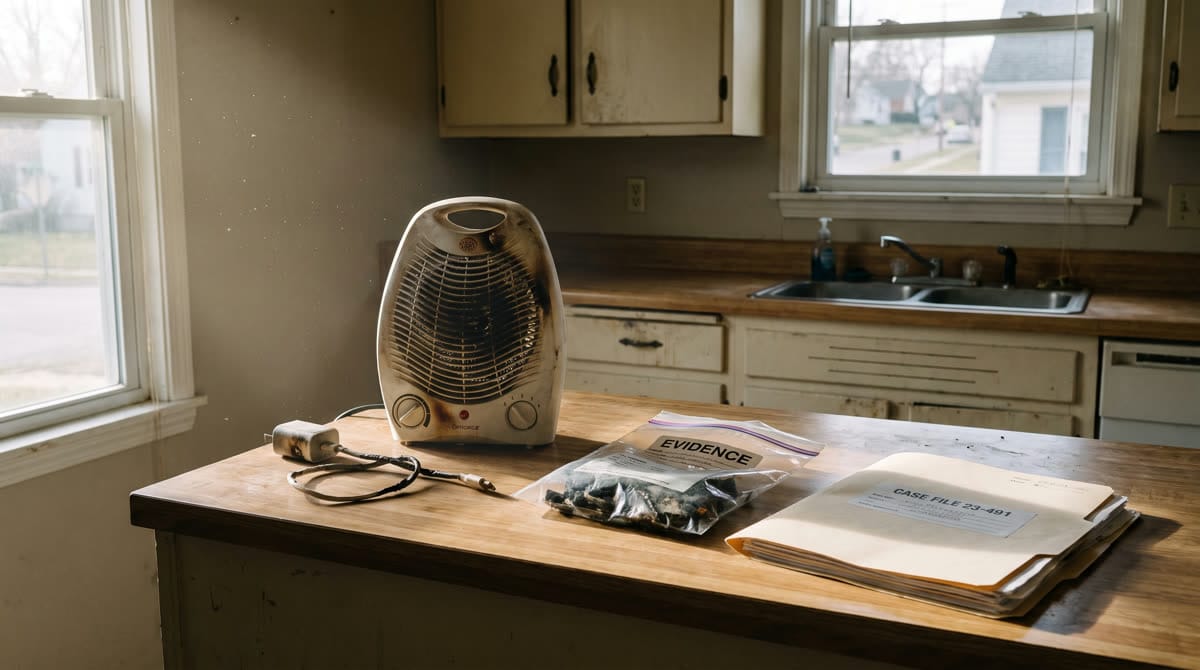
If you were burned because of someone else in Texas — an apartment fire, an explosion or chemical at work, a defective appliance or battery, a crash — the responsible party may be the landlord, the employer or a contractor, the manufacturer, or the driver. Serious burns need grafts, surgeries and months of treatment, and scars take more than a year to settle: that's why the insurer wants to close fast. You have 2 years to file.
A serious burn isn't an injury, it's a process. First the emergency. Then the burn unit, the grafts, the infections that have to be watched. Then months of wound care, therapy to keep the skin from contracting, and reconstructive surgeries that can go on for years. All while you can't work and the rent costs the same.
That's why these cases are fought differently. The real damage isn't known in the first week — it's known when the scar matures, and that takes a year or more. The insurer knows it. Their rush to offer something in the first month isn't generosity: it's closing before anyone knows what this will actually cost.
Here's who is liable depending on how it happened, what evidence to keep from day one, and what not to sign.
Who is liable for a burn?
It depends on how it happened. There is almost always an identifiable responsible party, and often more than one:
Texas law requires landlords to install working smoke alarms and to keep the electrical system, water heater and gas in safe condition. A detector with no battery, old wiring that had already been reported, or a faulty heater make the fire the owner's responsibility, not bad luck.
In the oilfield, construction and plants there are several companies on the same site. If the one that caused the flash or left the chemical unprotected isn't your employer, you have a claim separate from workers' comp. And if your employer carries no workers' comp — very common in Texas — you can sue them directly.
E-cigarette batteries that explode, water heaters, stoves, extension cords, electric blankets. If the product had a design or manufacturing defect, or lacked an adequate warning, the manufacturer is liable even though you used it normally.
Coffee or food served at a dangerous temperature, a pot set badly, an employee who spills. It's a premises liability case, just like a fall.
And sometimes the vehicle manufacturer too, if the tank or electrical system failed in a way it shouldn't have.
Downed lines, installations not to code, ungrounded equipment. Whoever had the duty to keep it safe is liable.
What the insurer will try
In burn cases the pattern is very clear: close before the full damage is known. These are the usual moves:
The most dangerous one. Scars take a year or more to mature, and reconstructive surgeries are decided afterward. Accepting in the first month is accepting without knowing what you'll need. Once signed, there is no second round.
Texas uses comparative negligence: even if you're assigned some fault, you recover as long as it doesn't exceed 50%. And with products, if the warning wasn't clear or visible, that failure is the manufacturer's, not yours.
A clause in the lease doesn't erase the duties the law places on the landlord, like smoke alarms. What you signed has to be read, but don't assume it took away your rights.
Burns are documented by degree, extent and depth from the first treatment. A burn unit record leaves little room for that argument — if you got care from the start.
If they destroy or repair evidence after being asked to preserve it, that itself can be used against them. Which is why the preservation letter has to go out in the first days.
The evidence that decides these cases
Burn cases run on two clocks: the physical evidence, lost within days, and the damage, which takes months to show. Both have to be protected:
The battery, the heater, the cord, the chemical's container. Don't throw it away, don't return it to the store, don't let the landlord take it. It's the central proof in a product case.
When there's a fire, the fire department documents the probable cause. That report can be requested, and it usually points straight at the origin.
The electrical panel, the detector with no battery, the gas connection, the area of the flash. Owners repair fast after a fire — and the proof goes with it.
Burns change. The week-one photo doesn't show the month-six scar. Documenting the progression is documenting the real damage.
Degree, percentage of body surface, grafts, infections, therapies. It's the document the whole claim rests on, including what comes later.
Which company ran which equipment, who was in charge of safety that day, who else was burned. Coworkers change jobs; names are gathered now.
What to do after a burn
Health first, always. But several of these can be done by a family member while you're in treatment:
- 1Immediate medical care, and for extensive or deep burns, a burn unit. The closest ones to Southwest Texas are in San Antonio.
- 2Keep the object or clothing involved — unwashed, not discarded, not returned.
- 3Have someone photograph the scene that same day, before any repair or cleanup.
- 4Request the report from the fire department, police or OSHA as applicable, and a copy of the incident report if it happened at a business or at work.
- 5Write down names: witnesses, coworkers, the person in charge, the technician who "had already checked" it.
- 6Sign nothing from any insurer, landlord or employer. Not even receipts marked "final payment."
- 7Photograph your recovery every week. It will be the proof of what the first offer didn't account for.
- 8Talk to a lawyer early, even while treatment is just beginning. The letter to preserve evidence can't wait for you to heal.
What can be claimed
In burn cases, what comes later usually outweighs what has already happened. Every case is different and nobody serious quotes a number up front, but generally the claim can include:
- Past medical expenses: emergency care, burn unit, grafts, hospitalization
- Future medical expenses: reconstructive surgeries, therapy, scar treatment
- Lost wages and loss of earning capacity
- Physical pain and suffering — among the highest the law recognizes in burn cases
- Permanent disfigurement and scarring
- Mental anguish, including anxiety and post-traumatic stress
- Physical impairment from contractures or lost mobility
How long do I have?
In Texas you generally have 2 years from the date of the burn to file an injury lawsuit. In defective-product cases there are additional limits that depend on the product's age — worth reviewing early.
But the deadline that truly matters is a different one: the physical evidence is lost within days — the device is discarded, the wiring repaired, the scene cleaned — while the damage takes a year to become known. The case has to be opened within the first clock and closed only after the second. Closing early is giving away what can't yet be seen.
Why people call us for these cases
We wait until the damage is fully known before talking numbers. The first offer never accounts for the third surgery.
No health insurance? We connect you with doctors who treat you now and get paid at the end of your case. With burns, delayed care makes everything worse.
Landlord, employer, contractor, manufacturer. In a burn case there are usually several, each with its own insurer.
Nothing out of your pocket. We only get paid if we win your case.
Your case is handled in your language, by the people actually handling it.
In Texas anyone injured by another's negligence can file, and what you tell us is protected.
Frequently asked questions
I was burned in a fire at my apartment. Can I file against the owner?+
If the fire came from something the landlord had to maintain — smoke alarms, wiring, water heater, gas — yes. Texas law places those duties on them, and a lease clause doesn't erase them.
It was a battery or an appliance that exploded. Who do I file against?+
The manufacturer, and sometimes the seller too. The most important thing is not to discard or return the device: it's the central proof in the case.
I was burned at work. Is workers' comp all I have?+
Not necessarily. If a company other than your employer caused the flash or the release, you have a separate claim. And if your employer carries no workers' comp, you can sue them directly.
The insurer already offered money and I'm out of work. Should I take it?+
Not before a lawyer reviews it. Scars take more than a year to mature and reconstructive surgeries are decided afterward; a first-month offer can't include what isn't known yet. If you need care now, we connect you with doctors who wait until the case ends.
What does it cost to have my case reviewed?+
Nothing. The consultation is free and confidential, and we only get paid if we win.
Burned because of someone else? Let's talk today.
Free, confidential consultation. No fee unless we win. The evidence is lost in days and the damage takes months to show — we watch both clocks.
We cover Southwest Texas from Eagle Pass and we come to you — to the hospital if needed. If your burn happened in one of these cities, here's what applies where you are:
Guides that may help you
This page is for informational purposes only and does not constitute legal advice. Every case is different; past results do not guarantee future outcomes. Reading this content does not create an attorney-client relationship.